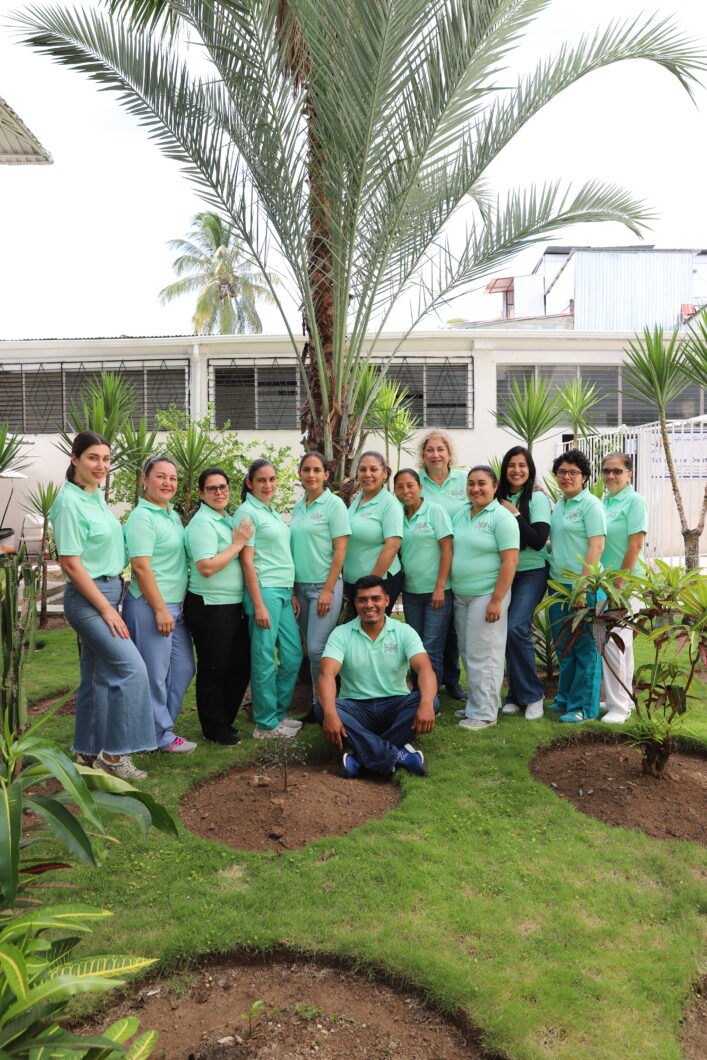
medi for help and ‘Amigos de Salud’: Interviews – “My involvement with medi for help allows me to give something back!”
The non-profit aid organisation medi for help has been working with ‘Amigos de Salud’ of the Fara Foundation in Nicaragua (Matagalpa) since 2023. The aid programme provides free treatment once a year for patients in need with vascular diseases. Insights in the form of short interviews are provided by a treating physician from Canada and hospital staff, as well as David Reich, Senior Manager Strategic International Projects, Global Market Operations (GMO) at medi, who provided direct on-site support with medi product donations for post-operative care.
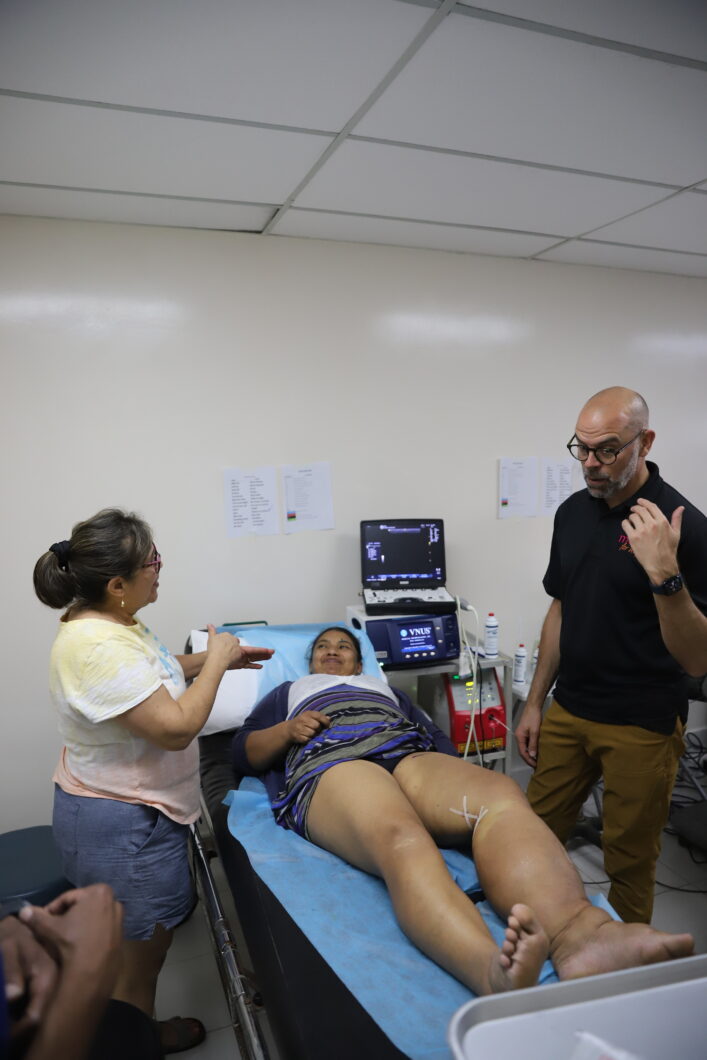
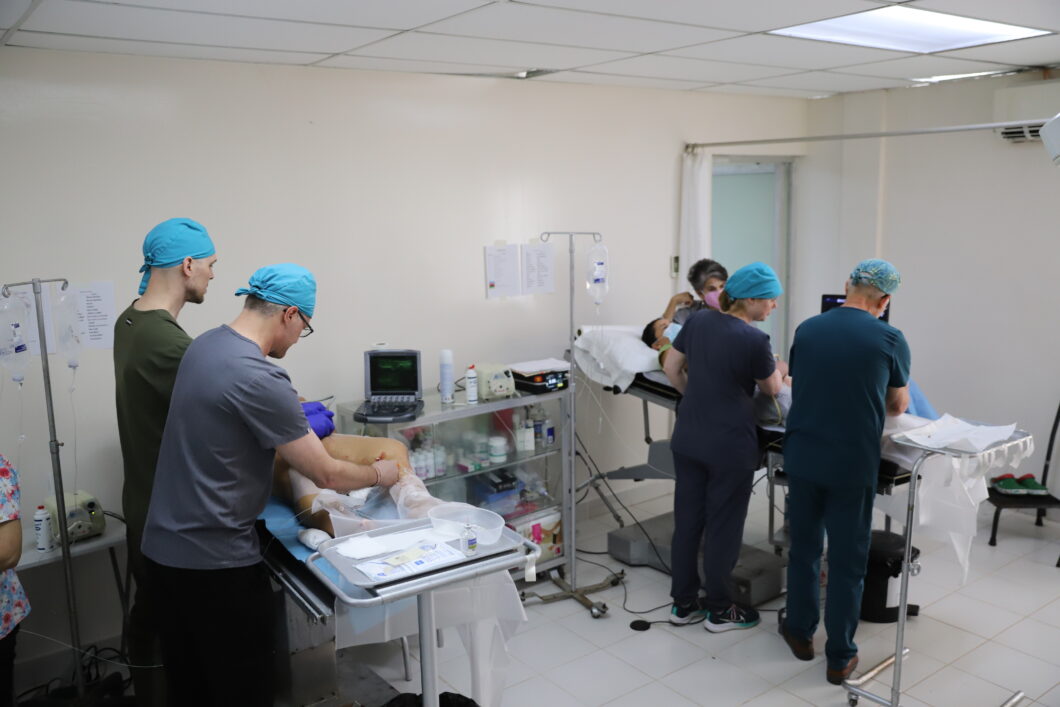
The ‘Amigos de Salud’ programme takes place once a year for one week at the Fara Clinic in Matagalpa, focusing on vascular and venous diseases. In 2025, thanks to the aid programme, almost 500 patients in need were once again treated by an interdisciplinary team of doctors and therapists from all over the world. They performed endovascular surgery on the lower extremities and provided patients with medical compression post-operatively – a crucial component in the treatment of vascular diseases. The non-profit aid organisation medi for help provided support with product donations from medi in the areas of compression and wound care, such as the circaid medical adaptive compression systems, as well as with follow-up care by medi staff on site.
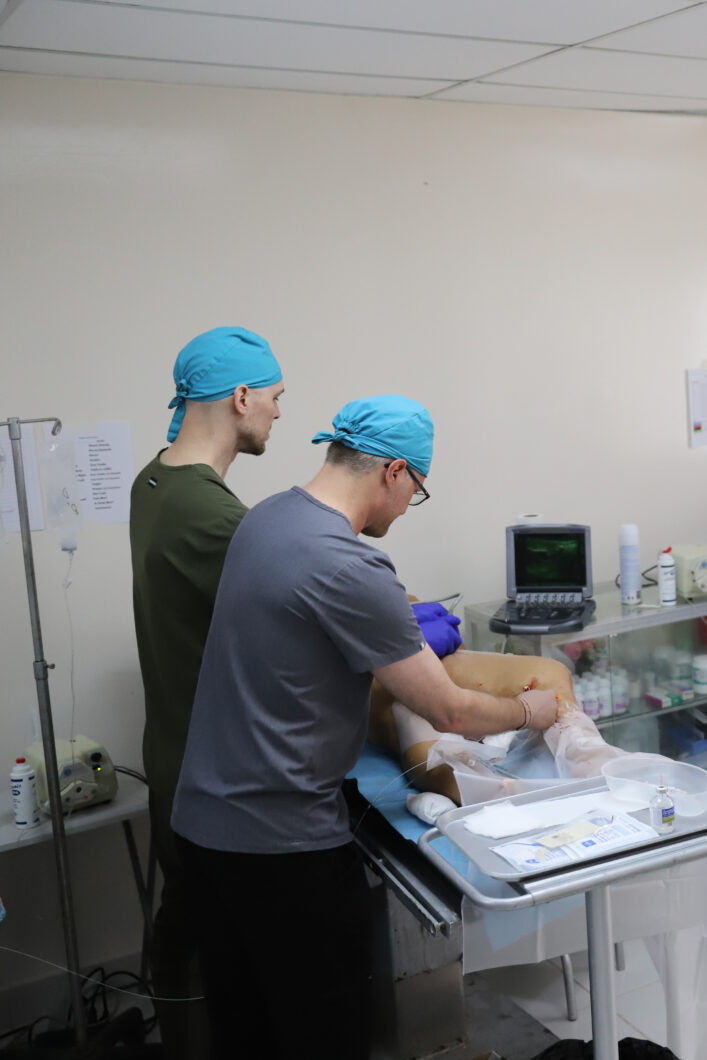
Large number of patients with venous ulcers (leg ulcers)
One of the treating doctors on site provided insights into his work and the fates of the patients.
medi for help: This is your second time providing support on site in Nicaragua and treating people in need. What has particularly touched you?
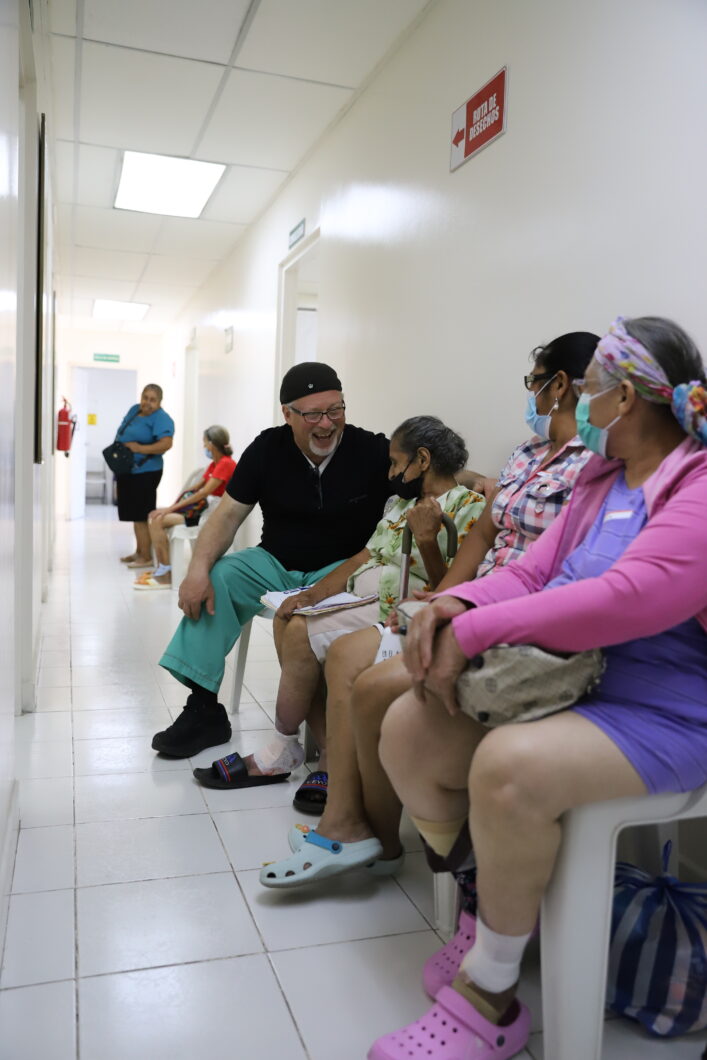
Doctor from Canada: “It is striking how acute many cases of illness are. Here at the Fara Clinic, we treat a large number of patients with leg ulcers, known as venous ulcers. This is very unusual for us, as I only see this once or twice a year at my clinic. But here in Matagalpa, almost every second patient has it. Many have also been suffering from ulcers for many years – in some cases for more than 20 years.”
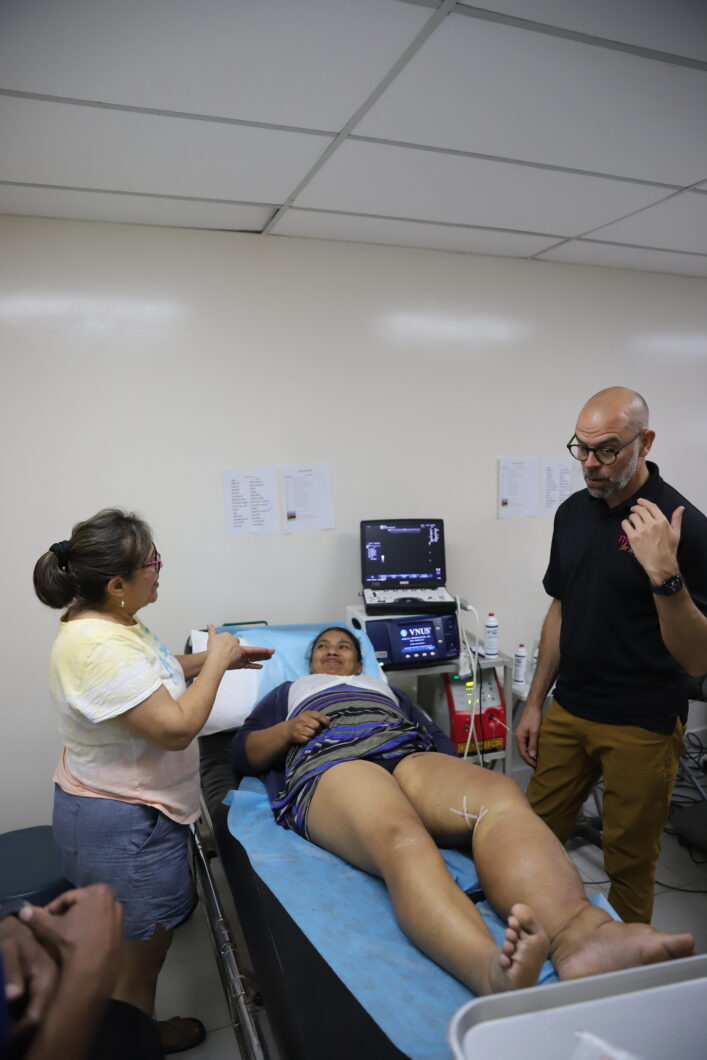
Interdisciplinary collaboration: medi employees directly on site
“One patient told me that she travels here once a month for two days to be treated at the Fara Clinic – and has been doing so for more than 30 years, the last 10 of which due to venous ulcers. We treated her vein using laser ablation – a minimally invasive procedure in which the vein is thermally ablated using a laser. We hope that this has helped her and that she will regain a better quality of life.”
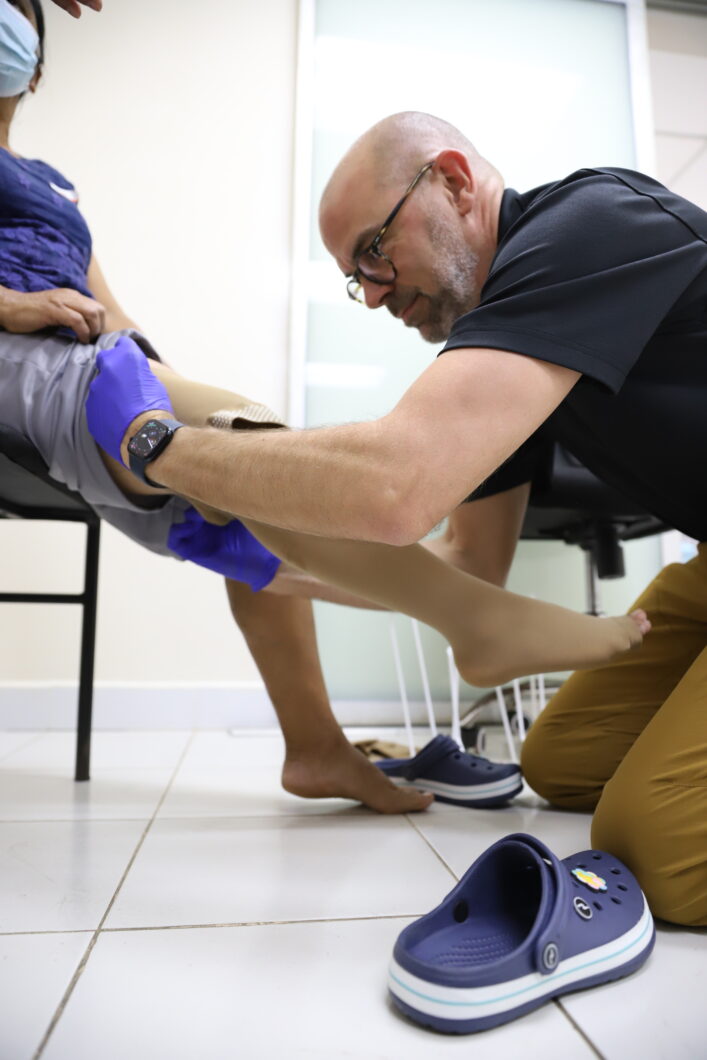
Interdisciplinary collaboration: medi employees directly on site
medi employees from all over the world provide on-site support for medi for help projects. This year, Christopher Miles, Director of Education & Training at medi USA (following two pictures), and, for the first time, David Reich, Senior Manager Strategic International Projects, Global Market Operations (GMO) at medi, spent a week in Nicaragua. They helped to provide numerous patients with medical aids from medi, such as medical compression stockings and adaptive compression systems.
medi for help: Why do you volunteer with medi for help?
David Reich: “I have travelled to various countries for medi over the past few years, to Nicaragua for the first time for medi for help. I see my involvement with medi for help as an opportunity to give something back. medi for help is not just a name, but a team that improves people’s quality of life and brings help to regions where it is urgently needed.”
Was there a story that particularly stuck in your mind?
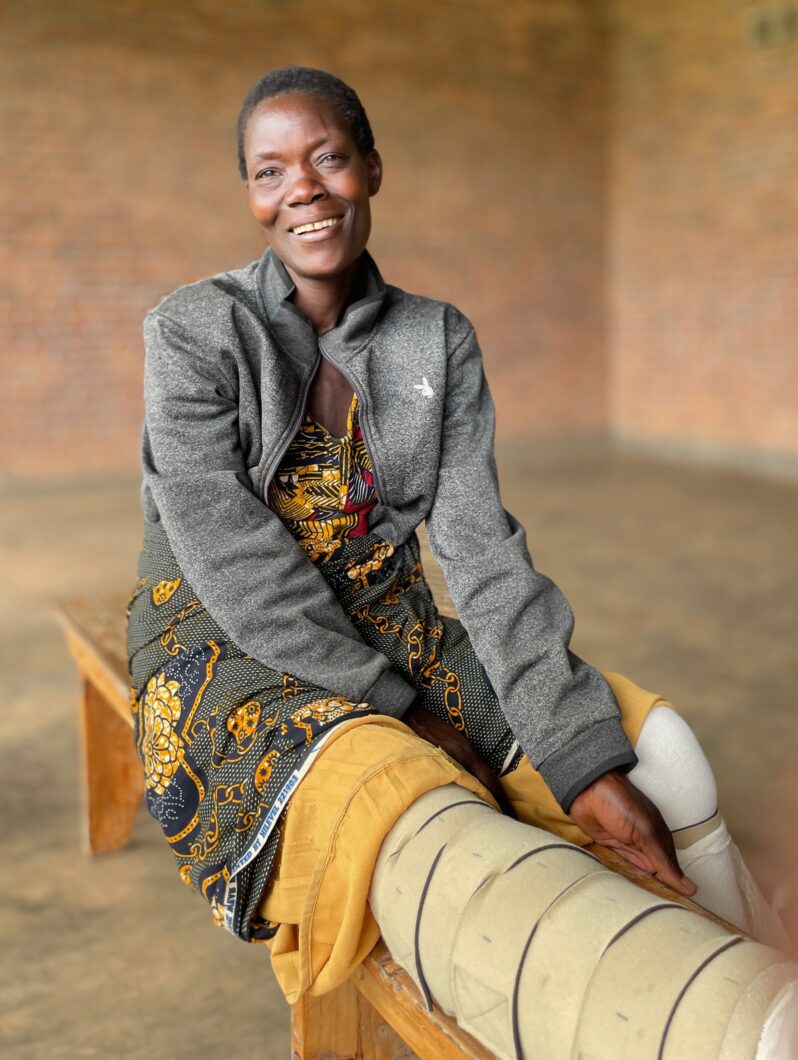
“A young man came to us with a chronic wound on his leg, a so-called venous ulcer. He went to great lengths to get here: he travelled from the Costa Rica border to Matagalpa – a distance of around 300 kilometres and 10 hours by public transport. He urgently needed wound treatment and had tears of joy when he finally received the necessary care with circaid from medi. But it wasn’t just him; many other patients also made a lasting impression on me. People often waited patiently for several hours until they could be treated. You could feel their gratitude that we were giving them the treatment they urgently needed but couldn’t afford. I received many hugs and ¡Muchas gracias! I was also hugely impressed by the team spirit at ‘Amigos de Salud’. We come from different countries and have different medical backgrounds. Nevertheless, as a team, we set up the clinic in no time and started working immediately – 20 people who had never worked together before, true to the motto: ‘Teamwork makes the dream work’.”
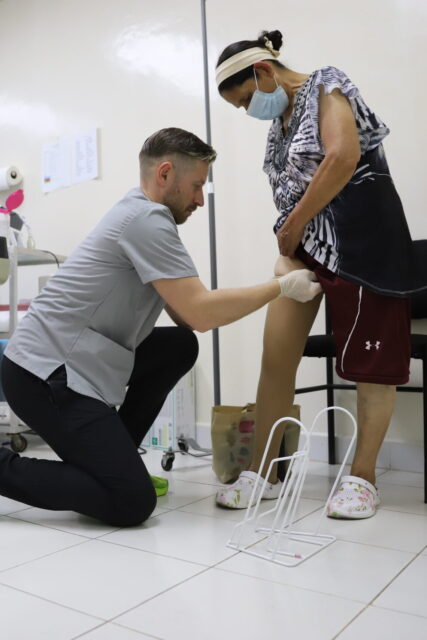
circaid adaptive compression systems from medi as a game changer in wound treatment
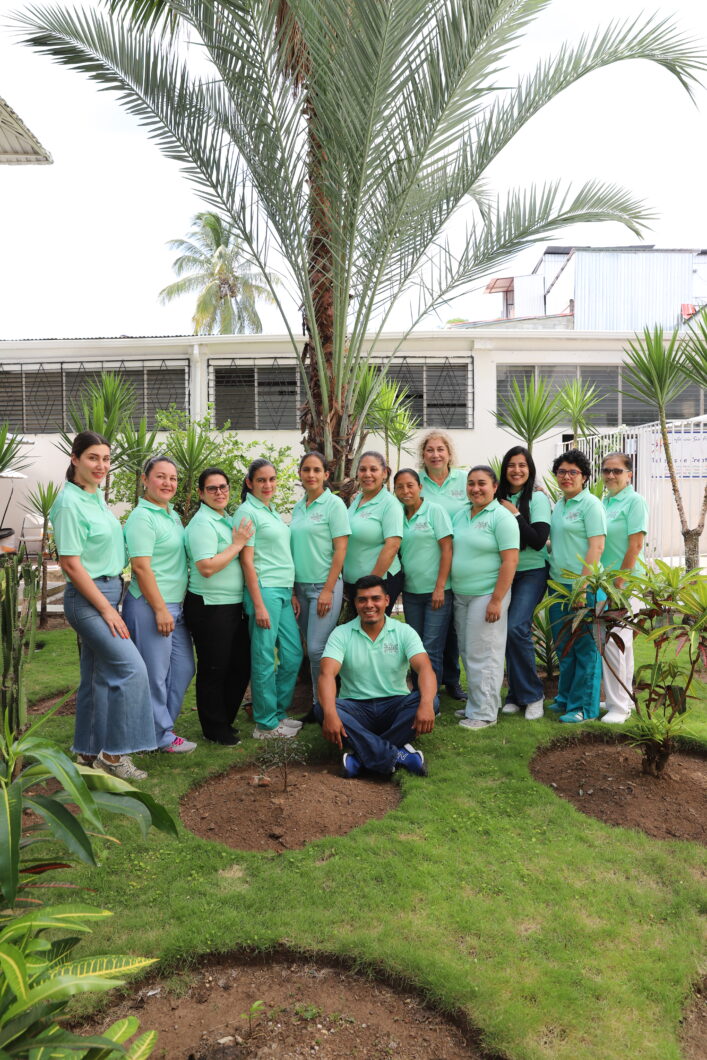
Two women from the hospital staff also emphasised the team spirit and the above-average commitment of all the helpers on site: “The team spirit is terrific. We often do not go home before 9 p.m., and the first shift is already back at 6:30 a.m. We could not do all this without the whole team – and without external support. We are very grateful for the needs-based donations, such as medical products, and the commitment of the experts on site. Without the products, it would not be possible to care for the patients. In particular, the use of adaptive compression systems, such as circaid from medi, is a real game changer in wound treatment. The gratitude of the patients really touches us deeply – with words and gestures such as hugs or cakes that we are given as gifts. When we receive such honest feedback, we know that our commitment is important and right!”
About circaid:
Compression forms the basis of guideline-compliant therapy for lymphological and phlebological indications. The S2k guideline ‘Medical Compression Therapy’ recommends medical adaptive compression systems (MAK), which include the circaid product portfolio from medi, such as circaid juxtalite for the decongestion of pronounced venous oedema and the treatment of venous leg ulcers, and circaid juxtafit for the arm and lower leg for the decongestion of lymphological oedema, as an alternative to wrap bandaging in the decongestion therapy of lymphoedema, pronounced venous oedema and the treatment of venous leg ulcers.(1) MAKs are particularly well suited for the treatment of the above-mentioned indications due to their product properties – specifically, the high wall stability thanks to the inelastic material.
Intended uses:
circaid® garments: The compression system is designed to provide compression to the affected body part for patients with venous and lymphatic disorders.
Source:
1 Rabe E et al. S2k-Leitlinie: Medizinische Kompressionstherapie der Extremitäten mit Medizinischem Kompressionsstrumpf (MKS), Phlebologischem Kompressionsverband (PKV) und Medizinischen adaptiven Kompressionssystemen (MAK). Online veröffentlicht unter: www.awmf.org/leitlinien/detail/ll/037-005.html (Letzter Zugriff 03.02.2026).
All pictures: © www.medi-for-help.com